
A car care shelf is long, and most of it does a handful of ordinary jobs under many names. The label tells you what a product does, which surfaces it is for and how to use it safely. This article explains what to look for, and which household products to keep away from the car.
Reading a label
Start with what the product is for and which surfaces it says it is safe on: paint, clear plastic, glass, rubber, bare metal, leather or fabric. Then read the directions for dilution, how long it may stay on, and whether it needs a cool surface out of the sun. A product used outside its directions can stain or dull a finish.
Read the warnings as closely as the directions. A label that calls for gloves, eye protection or fresh air means it, and it says what the product must not touch or be mixed with. If a label leaves out something you need to know, ask the seller for the safety data sheet.
- What it is for and which surfaces it is safe on
- The dilution and how long it may stay on
- Shade, a cool panel and any other conditions
- Gloves, fresh air and what not to mix it with
What pH-neutral means and why it matters
The pH scale describes how acidic or alkaline a liquid is, and neutral sits in the middle. A pH-neutral car shampoo cleans without stripping wax or sealant and without attacking rubber and trim, which is why it suits every routine wash. A shampoo that is neutral will say pH-neutral or pH-balanced on the label.
Stronger products have their place. An alkaline degreaser cuts heavy grime and an acidic wheel cleaner dissolves baked-on brake dust, but each can stain or etch if it dries or reaches the wrong surface. Use them only where they are needed, in shade, rinsed off well, and put protection back where they stripped it.
- Routine washing: a pH-neutral car shampoo
- Heavy grime: a degreaser, used with care
- Brake dust: a dedicated wheel cleaner
- Bonded specks: an iron remover or a clay bar
Household products to keep off the car
Dish soap is made to strip grease, and on a car it strips wax and sealant too and dries out rubber seals. Kitchen and bathroom sprays often carry bleach, ammonia or strong solvents that can cloud plastic and harm leather. A glass cleaner with ammonia can damage window tint and dashboard plastics.
Household towels and sponges cause trouble of their own. Paper towels and old cotton shirts leave lint and can scratch, and a kitchen sponge holds grit in its holes. Scouring pads, steel wool and melamine foam sponges are abrasive and belong nowhere near paint, coated glass or a dashboard.
- Dish soap and laundry detergent
- Bleach, ammonia and kitchen degreasers
- Paper towels, old shirts and kitchen sponges
- Scouring pads, steel wool and melamine sponges
Towels, mitts and the tools that touch the paint
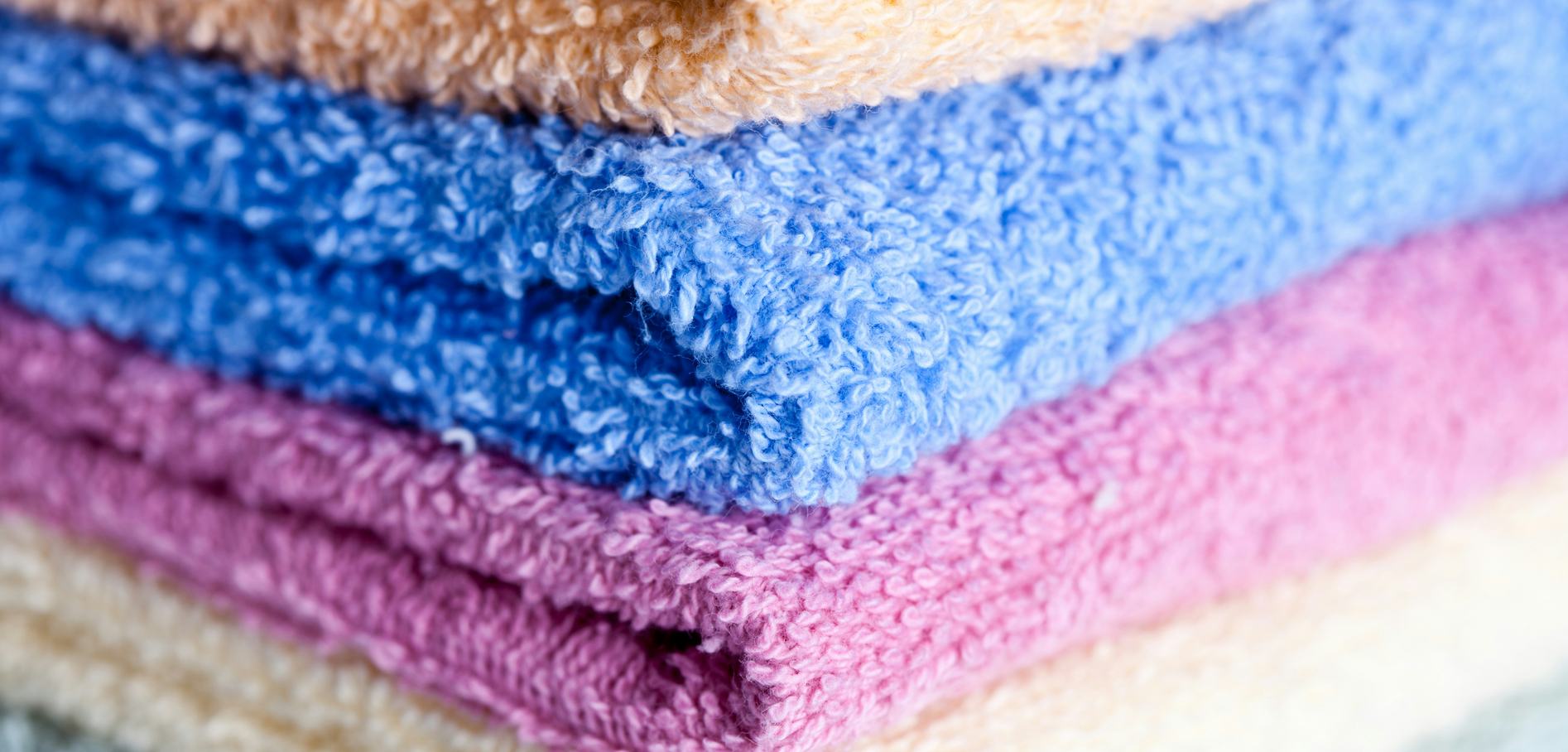
What touches the finish counts as much as what is in the bucket. Microfiber towels and a soft wash mitt hold dirt away from the surface instead of dragging it, and a grit guard at the bottom of the bucket keeps loose grit down. Keep separate towels for the paint, the glass, the wheels and the interior, and do not swap them.
Wash microfiber on its own and without fabric softener, which clogs the fibers, then let it air dry or tumble it on low heat. A towel dropped on the ground is finished with paint and moves to wheel duty. A towel that feels stiff or scratchy has done its time on the finish.
Using products safely at home
Wear gloves for wheel cleaners, iron removers and degreasers, and eye protection when spraying above your head. Never mix two cleaners in one bucket or bottle, and rinse a surface between products. Keep every product in its original, labeled container, since an unmarked bottle is how mistakes happen.
Store products upright and closed, away from heat and sunlight, on a shelf that children and pets cannot reach. Use sprays inside the cabin only with the doors open or with the car outside, and spray onto a towel rather than onto screens or airbag panels. Get rid of leftover product the way its label describes.
- Gloves for wheel cleaners, iron removers and degreasers
- Never two products mixed together
- Original containers, closed and out of reach
- Doors open whenever you use a spray inside
In short
- Read what a product is for, its directions and its warnings
- Use a pH-neutral car shampoo for routine washing
- Keep dish soap, household sprays and paper towels off the car
- Wear gloves, never mix products, store them out of reach